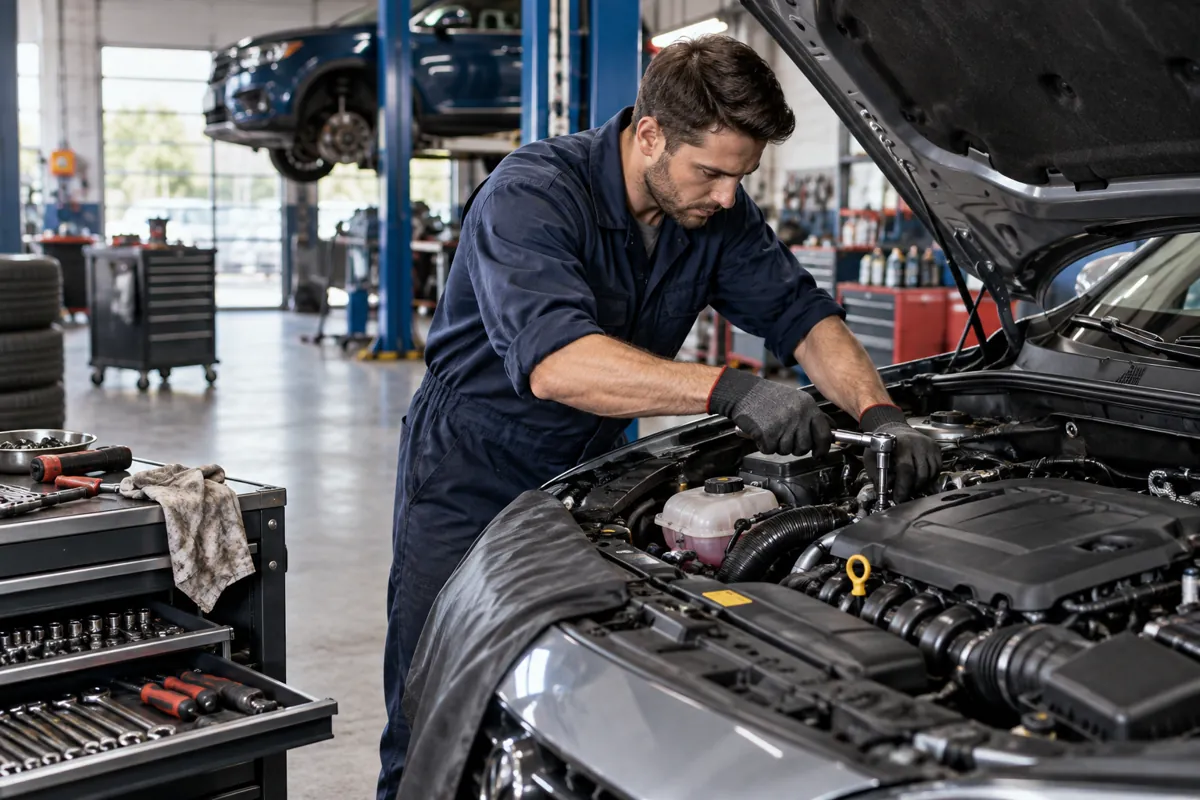
Car Maintenance & Repair
Oil changes, tires, brakes and common repairs
Introduction
Maintaining and repairing a vehicle is an essential part of responsible car ownership. Proper upkeep not only prolongs the lifespan of your car but also enhances safety, efficiency, and resale value. According to the Automotive Maintenance Association, an estimated 75 percent of car breakdowns are connected to neglect in routine maintenance tasks. This underscores the importance of understanding the fundamentals of car maintenance and repair.
In a practical sense, knowing how your vehicle works enables you to identify potential issues early and address them before they turn into costly repairs. Whether you are a seasoned car enthusiast or a new owner, having a comprehensive overview of maintenance essentials can save you time and money, while also providing peace of mind on the road.
Definition and core concepts
Car maintenance refers to the routine activities performed to keep a vehicle operating efficiently and reliably. These include inspecting, replacing, or adjusting various components within the vehicle to prevent failures. Repair, on the other hand, involves fixing or replacing parts that have broken or worn out beyond normal operation.
The core concepts of car upkeep include preventive maintenance, corrective maintenance, and predictive maintenance. Preventive maintenance involves scheduled tasks such as oil changes, tire rotations, and brake inspections aimed at preventing breakdowns. Corrective maintenance is performed after a malfunction has occurred, like replacing a blown fuse or repairing an engine component. Predictive maintenance utilizes diagnostic tools and data analysis to foresee potential failures before they happen, allowing for timely intervention.
Effective maintenance relies heavily on understanding the vehicle’s systems, which typically include the engine, transmission, brakes, suspension, electrical system, and tires. Each system requires specific care to function optimally. For example, engine oil changes are recommended every 5,000 to 10,000 kilometers, depending on driving conditions and oil type, to lubricate engine parts and prevent wear.
Alongside specific tasks, maintenance also involves checking fluid levels, inspecting belts and hoses, testing brake efficiency, and monitoring tire pressure. Adhering to the manufacturer's maintenance schedule found in the vehicle's manual can significantly reduce the risk of unexpected failures.
How it works
Understanding how car maintenance and repair activities work starts with familiarizing yourself with the vehicle’s basic systems. For instance, the engine converts fuel into motion through a series of controlled combustions within cylinders. Regularly changing engine oil, which reduces friction among moving parts, is vital to maintaining engine health. Modern engines typically require oil changes every 5,000 kilometers with conventional oil and up to 10,000 kilometers with synthetic variants.
Brake systems involve pads, discs, and fluid. Brake pads wear down over time, often requiring replacement when thickness drops below 3 millimeters. Brake fluid absorbs moisture, which can corrode components and reduce braking efficiency; hence, it should be flushed and replaced every 2 years, or as specified in the vehicle manual.
The cooling system relies on a mixture of water and antifreeze stored in a radiator. It prevents overheating by dissipating heat generated during engine combustion. Flushing the cooling system every 40,000 kilometers helps prevent corrosion and clogging. Similarly, the transmission system needs attention—automatic transmissions may require fluid replacements every 60,000 to 100,000 kilometers to ensure smooth shifting and prevent damage.
The electrical system comprises the battery, alternator, starter, and wiring. A healthy battery, which typically lasts 3 to 5 years, is essential for engine start-up. The alternator recharges the battery while the engine runs and powers electrical components like lights and infotainment systems.
Maintenance procedures involve diagnostic tools such as OBD-II scanners that read error codes or sensor data. These devices help to pinpoint issues quickly. For example, a check engine light can indicate anything from a loose gas cap to more serious engine problems, and an OBD-II scanner identifies the precise cause.
Practical application
Applying car maintenance knowledge to real-world scenarios involves routine inspections and timely interventions. For example, consistently monitoring tire pressure ensures optimal grip and fuel economy. The World Health Organization recommends maintaining tire pressure within 0.2 bar of the manufacturer’s specifications, which can improve fuel efficiency by up to 3 percent.
Changing engine oil is one of the simplest yet most impactful maintenance activities. Using the correct oil viscosity, such as 5W-30 or 0W-20 depending on the vehicle, can extend engine life. The process involves draining the old oil, replacing the oil filter, and refilling with fresh oil. This procedure should be performed every 5,000 to 10,000 kilometers for most modern cars.
Brake maintenance includes inspecting pads and discs visually or through brake pad thickness measurement tools. If pads are below 3 millimeters, they should be replaced to prevent metal-on-metal contact, which can cause damage and more expensive repairs.
Cooling system maintenance involves checking coolant level regularly—ideally once a month—and topping up if necessary. Flushing and replacing coolant every 40,000 kilometers or as recommended can prevent radiator clogging and corrosion, which might lead to engine overheating.
Addressing warning signs early saves money and reduces downtime. For example, if you notice a decrease in fuel efficiency—say, from an average of 12 liters per 100 kilometers to 15 liters—it could signal issues such as a clogged air filter or misfiring spark plugs that need attention.
Adapting maintenance routines based on climatic conditions is also practical. Cold regions may require more frequent battery checks due to reduced capacity, while high temperatures necessitate cooling system inspections more often.
Utilizing professional services periodically is advisable. Certified mechanic workshops, equipped with diagnostic tools and specialized knowledge, can perform comprehensive inspections and repairs, especially for complex systems like transmission or engine electronics.
Maintaining detailed records of all performed services and replacements facilitates future maintenance planning and can increase resale value by demonstrating proper upkeep to potential buyers.
Common mistakes
Neglecting scheduled maintenance is among the most frequent errors that lead to costly repairs. Skipping oil changes or ignoring warning lights can cause engine damage, often resulting in engine rebuilds or replacements worth thousands of dollars.
Using incorrect or poor-quality parts is another mistake. For example, installing non-approved brake pads or cheap filters can cause faster wear and compromise safety. Always use parts that meet the manufacturer’s specifications to ensure proper fit and performance.
Overlooking fluid levels or mixing incompatible fluids can damage critical systems. For example, mixing different types of coolant may cause corrosion or clogging, leading to overheating or leaks. Regular checks and adherence to the manual prevent such issues.
Attempting complex repairs without proper knowledge or tools can worsen problems. For instance, replacing timing belts requires precise timing adjustments. Incorrect procedures can cause engine misfires or failure, often resulting in expensive repairs or engine damage.
Ignoring signs of wear or abnormal behavior, such as strange noises, vibrations, or reduced fuel economy, delays necessary repairs. Addressing these issues early can prevent more severe damage and reduce repair costs.
Expert recommendations
Mechanics from the Hungarian Automotive Guild advise adhering strictly to the vehicle manufacturer's maintenance schedule. This schedule, typically included in the car manual, aligns maintenance activities with manufacturer testing and recommendations.
Using high-quality lubricants and fluids extends the lifespan of components. Synthetic oils, for instance, boast better stability and protection over conventional oils, especially in extreme temperature conditions—ranging from -40 to 40 degrees Celsius in Hungary.
Diagnostic tools like OBD-II scanners are indispensable for modern vehicle maintenance. They can quickly identify problems that are not immediately apparent, saving time and preventing further damage. Professionals recommend using these tools regularly, even during routine inspections.
For complex repairs, seeking professional service is advisable. Tasks such as transmission repairs, engine remanufacturing, or electronic system diagnostics require specialized knowledge and equipment. DIY efforts in these areas can cause more harm than good and void warranties.
Preventive maintenance benefits include improved fuel efficiency—up to 15 percent savings in some cases—and increased safety. Regular alignment, for example, reduces tire wear by approximately 30 percent and prevents uneven steering behavior.
Conclusion
Maintaining a vehicle involves a mix of routine inspections, timely replacements, and repairs carried out with the right tools and parts. Following manufacturer recommendations and paying attention to warning signs can significantly extend a car’s operational life while ensuring safety on the road.
Adopting an informed approach to car maintenance reduces expenses over time and helps avoid unexpected breakdowns. Regular upkeep, combined with professional diagnostics when necessary, affirms that your vehicle remains reliable for years to come.